
Mealworms care and selling guide
Tenebrio molitor
Raising your own stock helps you keep feeders on hand for your pets or their enclosures. List surplus live stock for free on LocalFeeders and connect directly with nearby keepers.
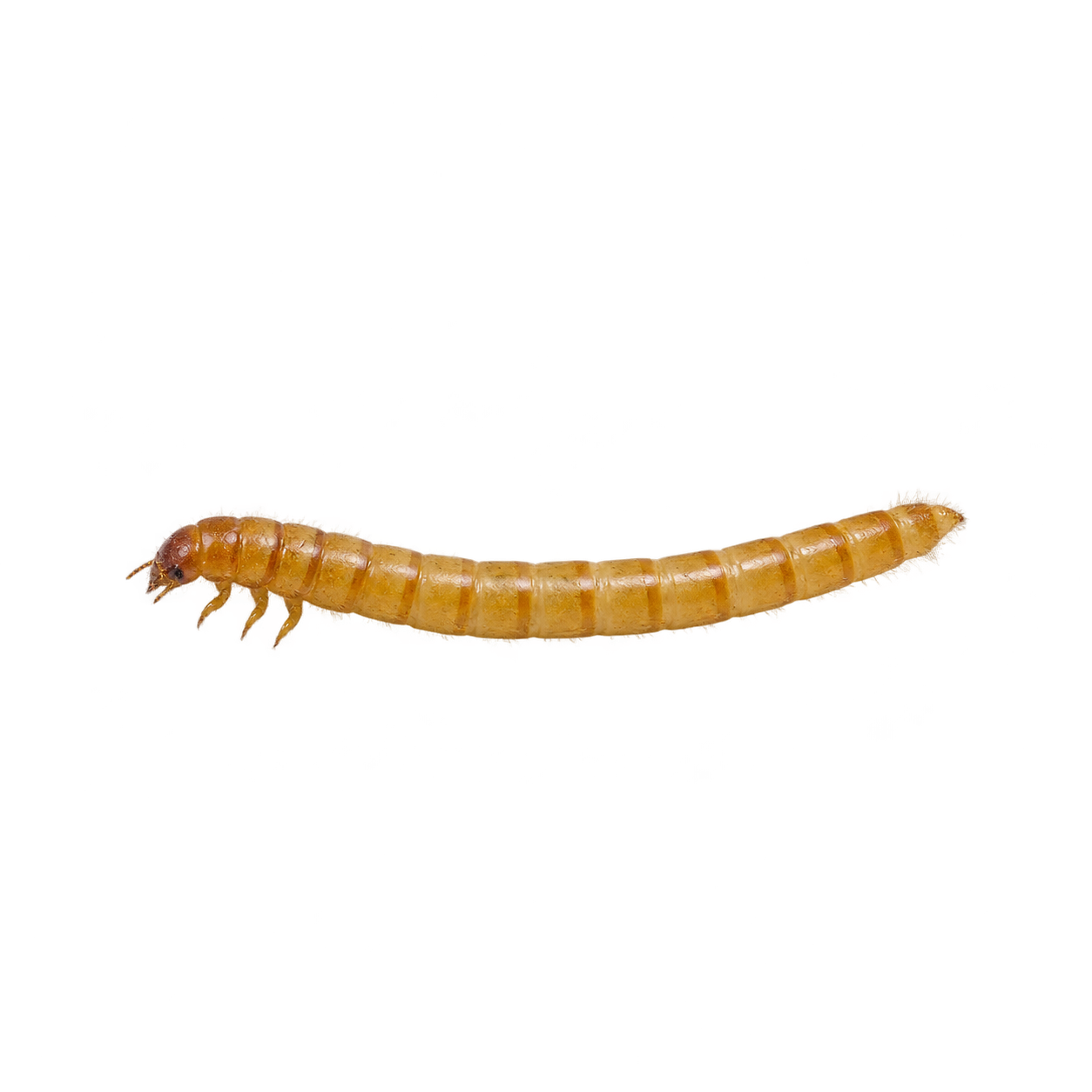
Care and listing guidance
Keeping conditions
- Use a ventilated tub with dry grain-based bedding and a small moisture source such as carrot, checking for mold and removing spoiled food.
- Follow the starter supplier’s holding instructions.
Breeding
- Keep a seed group through the larva, pupa and adult beetle stages.
- Move adult beetles into fresh bedding for egg laying so new cohorts can be managed separately.
Preparing listings
- Sort live larvae by length or grade and count the pack.
- Tell buyers the size range and holding conditions, especially if the worms have been kept cool.
Before you offer a feeder
- Identify the exact captive stock, species and condition. Keep batches and records separate. Avoid releasing captive feeders, eggs, unused cultures or their growing media outdoors.
- Inspect the batch and keep equipment and handling areas clean. Keep food and water suitable for the species, and isolate a batch with suspected contamination or unexplained deaths.
- Publish an accurate photo and tell buyers the size or stage, quantity, condition and package unit. Label a culture by species, container volume or substrate, and the stage when known.
- Check rules for the species and the transaction at the origin and destination. If arranging delivery or shipping, verify current rules and the carrier’s acceptance, then agree on timing and safe handoff conditions with the buyer.
Keeper communities
Browse all feeder communities- Mealworm Farming Co-Op (opens in a new tab)
Compare mealworm colony setups and discuss separating life stages, moisture, and routine care.
- Feeder Farming (Rodents & Insects) (opens in a new tab)
Peer discussion on raising feeder rodents and insects, including mice, rats, mealworms, and Dubia roaches.
- Advancing Herpetological Husbandry (opens in a new tab)
Reptile and amphibian husbandry community. Its volunteers co-organized the British Herpetological Society’s March 2026 care and breeding conference.
Eckerd College HERP Laboratory names and links the group (opens in a new tab)
- r/mealworms (opens in a new tab)
Mealworm setups, colony troubleshooting, and a pinned guide to getting started.
- r/reptiles (opens in a new tab)
Reptile husbandry and feeding discussions, including keeper-grown colonies.
- MorphMarket Feeders Forum (opens in a new tab)
Discuss raising and handling feeder insects and rodents with reptile keepers and breeders.
Care and seller references
USDA APHIS shipping and receiving agricultural items (opens in a new tab)CDC guidance on reptiles, amphibians and feeder rodents (opens in a new tab)Sources reviewed .