
Feeder breeding & selling guides
Waxworms care and selling guide
Galleria mellonella
Raising your own stock helps you keep feeders on hand for your pets or their enclosures. List surplus live stock for free on LocalFeeders and connect directly with nearby keepers.
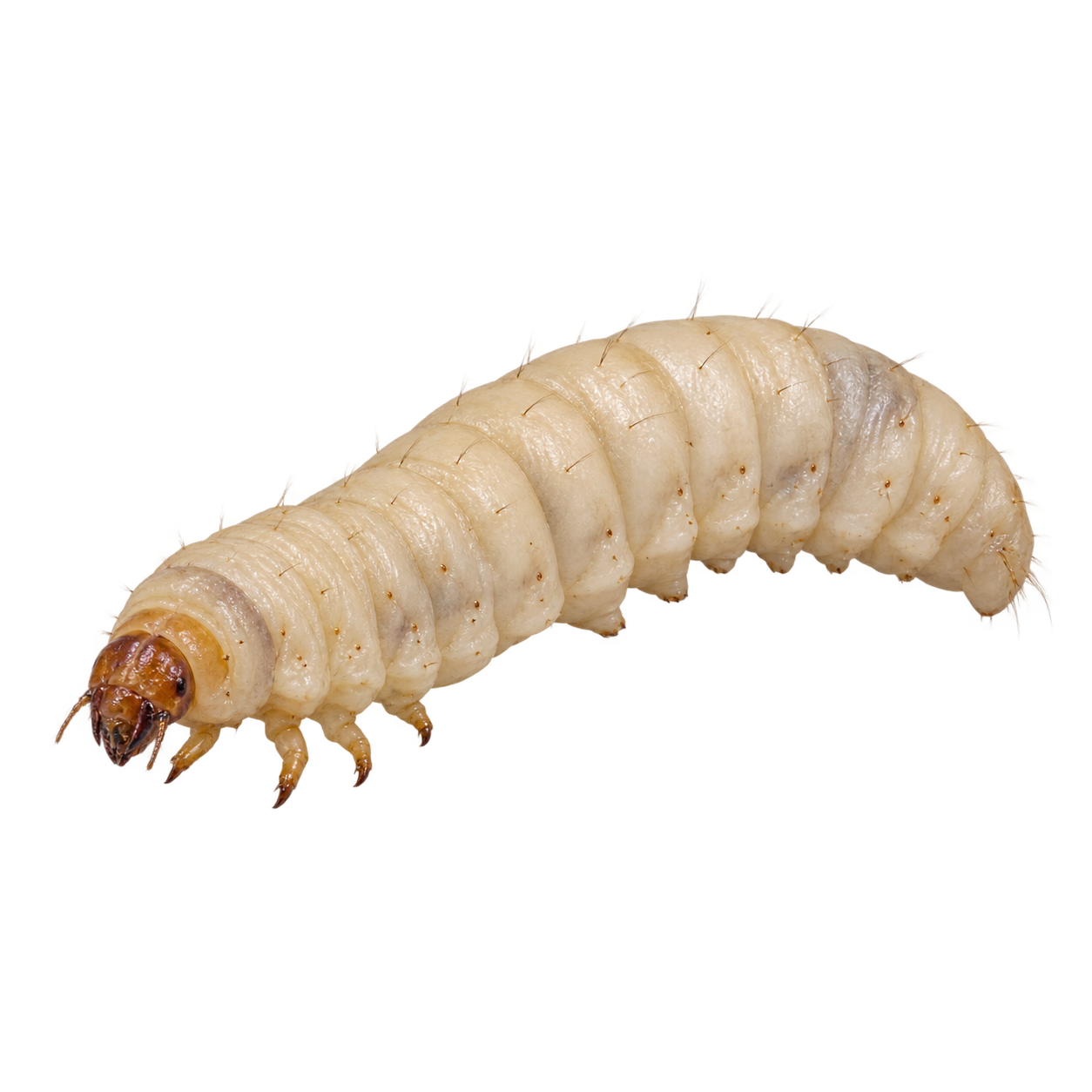
Care and listing guidance
Keeping conditions
- Hold healthy larvae in a ventilated container under the supplier’s cool-storage instructions.
- Check them regularly and remove spoiled bedding or dead larvae.
Breeding
- A waxworm colony cycles through larvae, pupae and adult wax moths.
- Use a secure, enclosed breeder culture and species-appropriate medium.
- Wax moths can damage honey bee colonies, so prevent escape and keep the colony away from hives.
Preparing listings
- Count live larvae and describe the pack and its recommended holding conditions.
Before you offer a feeder
- Identify the exact captive stock, species and condition. Keep batches and records separate. Avoid releasing captive feeders, eggs, unused cultures or their growing media outdoors.
- Inspect the batch and keep equipment and handling areas clean. Keep food and water suitable for the species, and isolate a batch with suspected contamination or unexplained deaths.
- Publish an accurate photo and tell buyers the size or stage, quantity, condition and package unit. Label a culture by species, container volume or substrate, and the stage when known.
- Check rules for the species and the transaction at the origin and destination. If arranging delivery or shipping, verify current rules and the carrier’s acceptance, then agree on timing and safe handoff conditions with the buyer.
Keeper communities
Browse all feeder communities- Wax Worm Farming (opens in a new tab)
Discuss waxworm culture setups and keeping a colony through its life stages.
- Advancing Herpetological Husbandry (opens in a new tab)
Reptile and amphibian husbandry community. Its volunteers co-organized the British Herpetological Society’s March 2026 care and breeding conference.
Eckerd College HERP Laboratory names and links the group (opens in a new tab)
- r/reptiles (opens in a new tab)
Reptile husbandry and feeding discussions, including keeper-grown colonies.
- MorphMarket Feeders Forum (opens in a new tab)
Discuss raising and handling feeder insects and rodents with reptile keepers and breeders.
Care and seller references
USDA APHIS shipping and receiving agricultural items (opens in a new tab)CDC guidance on reptiles, amphibians and feeder rodents (opens in a new tab)Sources reviewed .